
The Roero region is situated on the left bank of the Tanaro river, in southern Piedmont, in the province of Cuneo. It is a hilly area that many people are still unfamiliar with, and one that is well worth exploring in all its facets.
Wild landscapes, woodlands, fossil sands and villages perched on the hilltops. Alongside the vineyards, you’ll find hazelnut and chestnut groves and orchards. Roero has been part of the UNESCO site ‘Langhe-Roero and Monferrato Wine-growing Landscapes’ since 2014, yet it retains its own distinct identity – less crowded and more authentic.
Nature and Geology
The Rocche del Roero
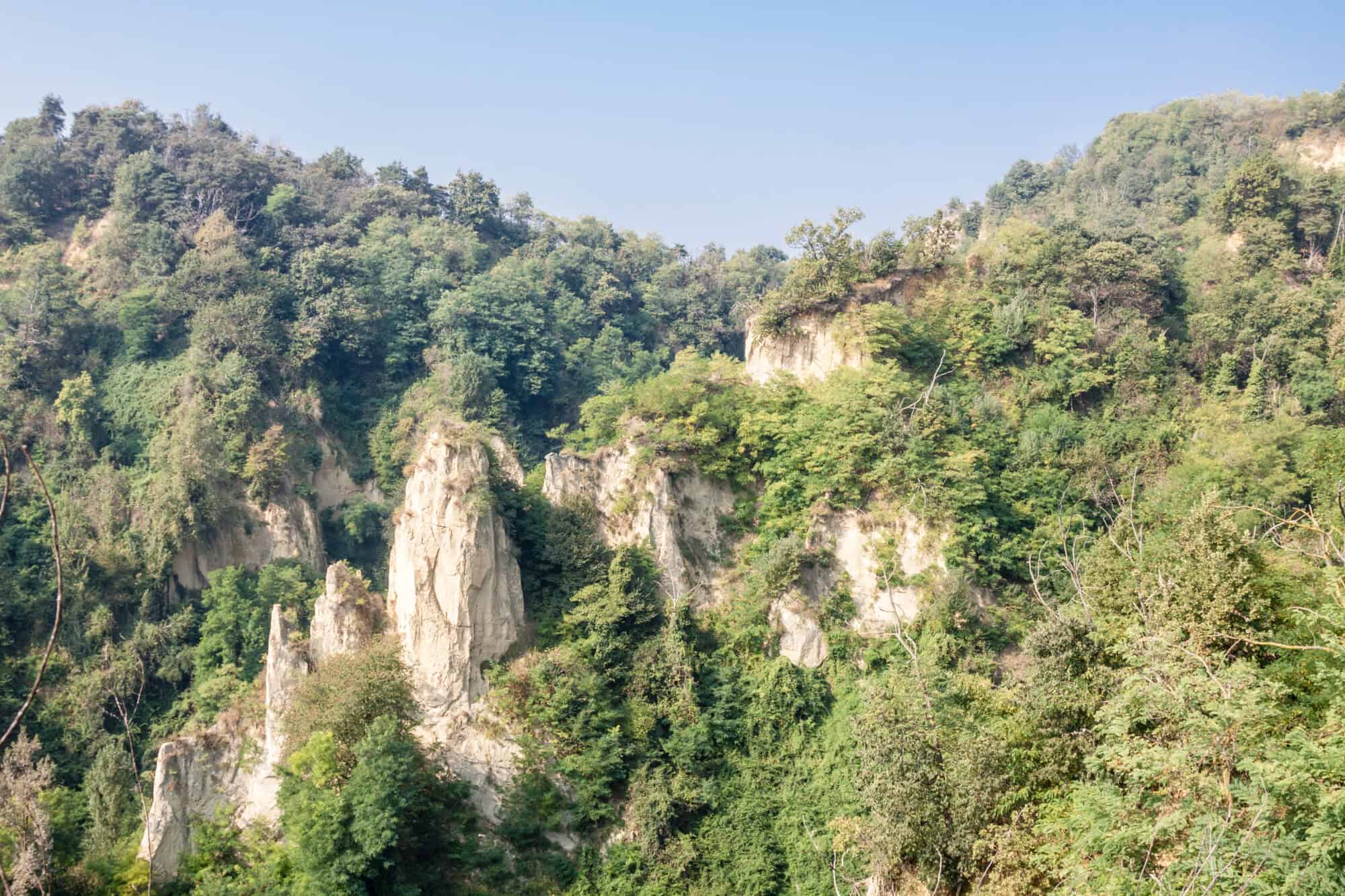
The Rocche are the geological hallmark of the Roero region. A fault line stretching over 30 kilometres from Bra to Cisterna d’Asti, with sandy cliffs and canyons carved out by the erosion of the Tanaro river over thousands of years. A unique geological phenomenon, unrivaled in the Piedmont landscape.
Across the eight hilltop villages perched along this ridge – Pocapaglia, Sommariva Perno, Baldissero d’Alba, Montaldo Roero, Monteu Roero, Santo Stefano Roero, Montà and Cisterna d’Asti – the Rocche del Roero Ecomuseum has created a network of trails stretching for hundreds of kilometres, accessible on foot, by mountain bike or e-bike.
Roero Bike Tour offers four circular routes ranging from 16 to 48 km in length, with varying levels of difficulty. In Montà, the Valle delle Rocche Outdoor Centre offers a bike park, pump track, bike hire and guided cycling tours. The themed trails, including the Grape Trail, the Chestnut Trail and the Honey Trail, allow you to explore the area at a leisurely pace, through woods, vineyards and with views over the canyons.

Wine and Cellar
The wines of Roero
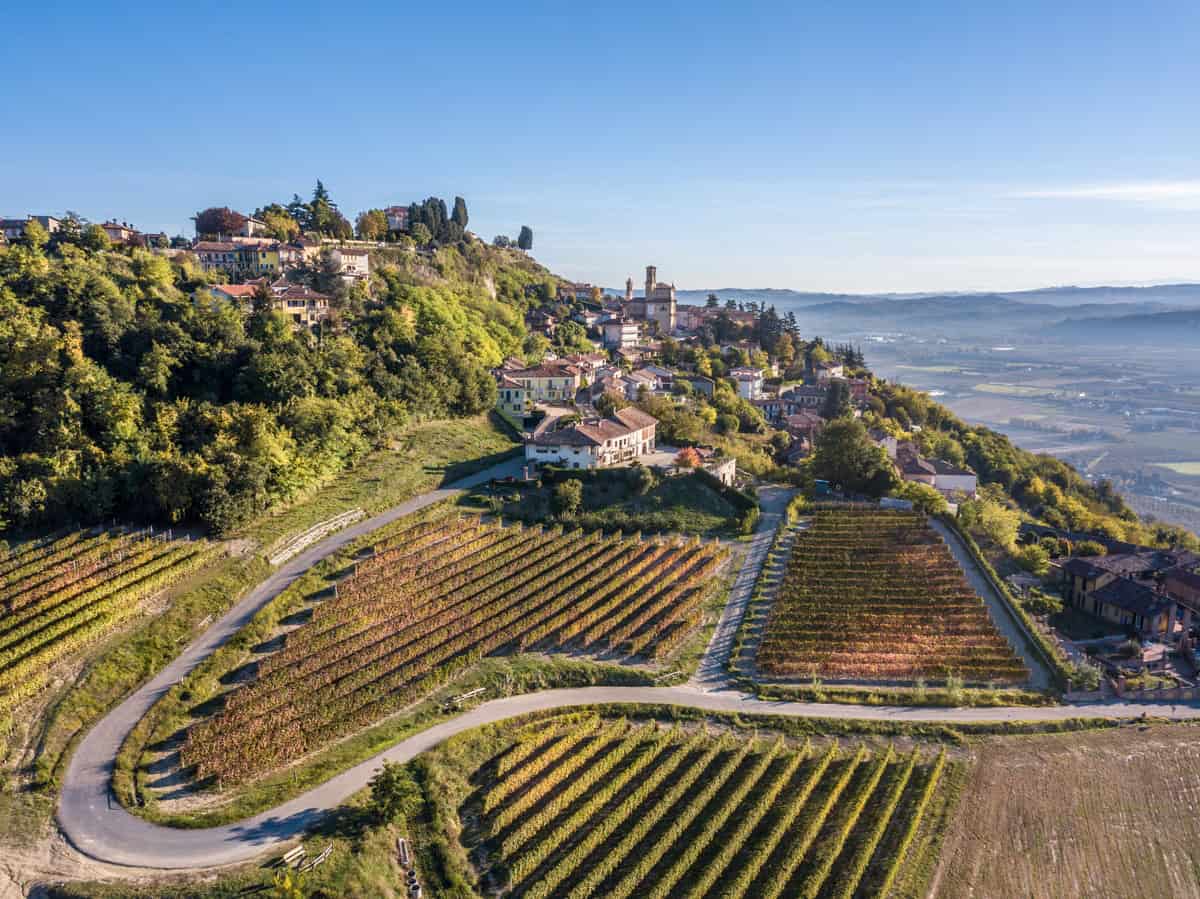
Roero has been a wine growing region for centuries. The sandy soils of marine origin, rich in fossils, lend a distinctive freshness and elegance to the local wines.
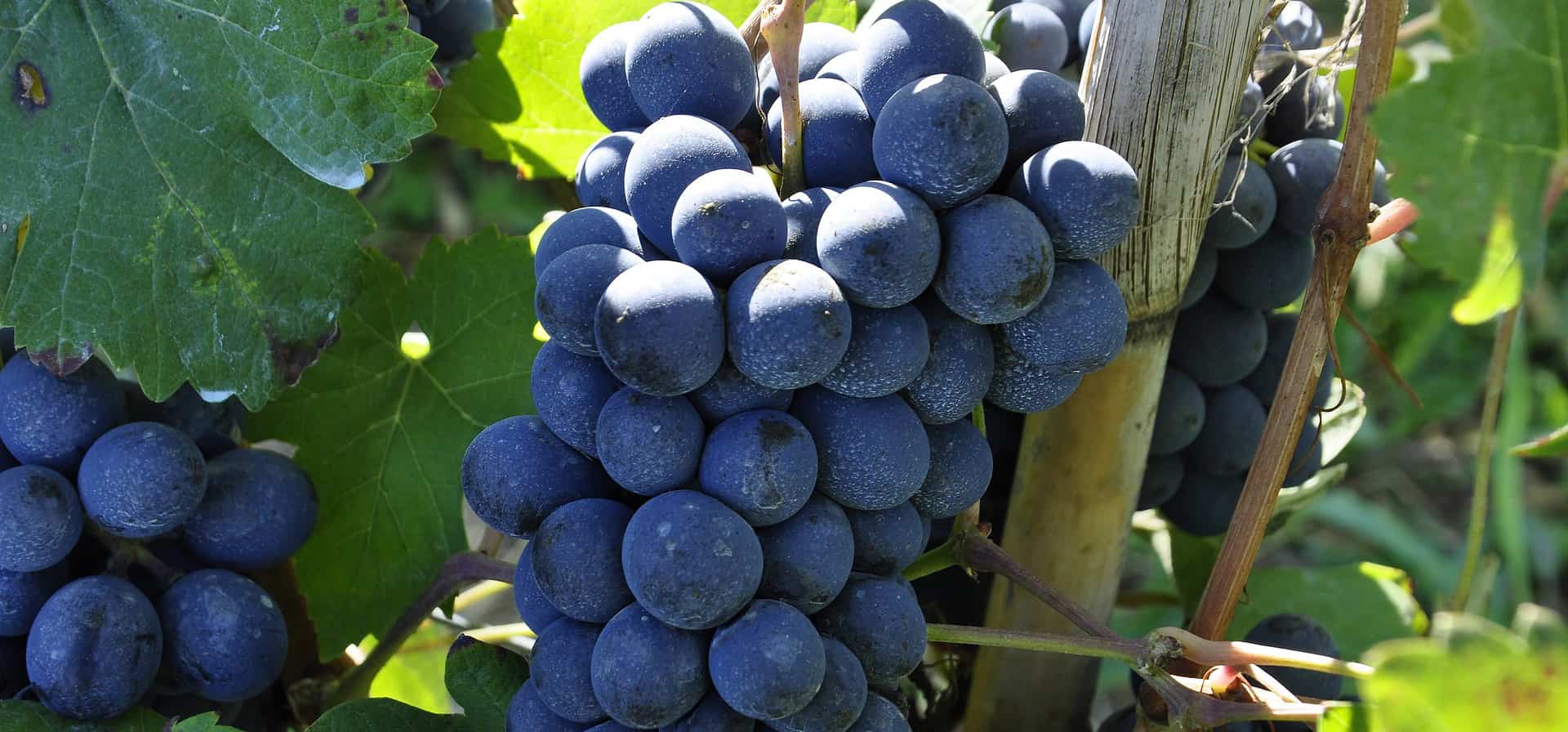
The main grape variety is Arneis, a native white grape that finds its ideal growing conditions in Roero and gives rise to Roero Arneis DOCG. Nebbiolo, the last variety to be harvested, usually in the second half of October, produces Roero DOCG red, a wine with good structure and ageing potential. Barbera completes the region’s grape variety profile.
The wineries are often family-run and welcome visitors for tours and tastings, on request. In Canale, the Enoteca Regionale del Roero is the perfect place to discover the region’s wines, where you can taste and buy the local labels.
History and Culture
The villages of Roero
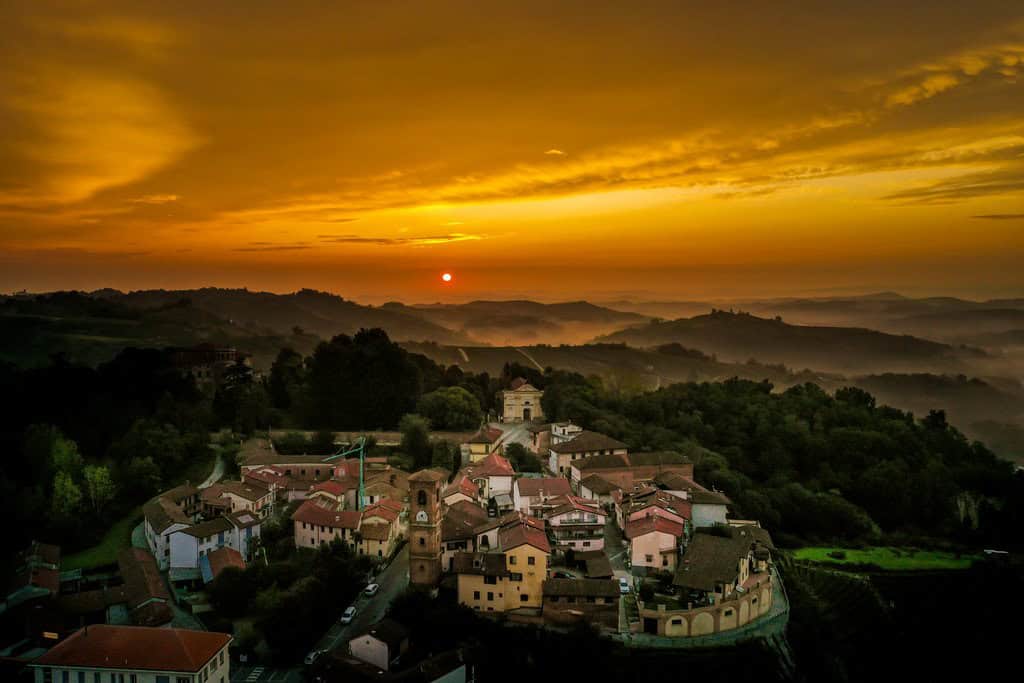
Roero is dotted with villages that seem frozen in time. Eight of these are perched along the Rocche crests, their medieval towers and castles overlooking the canyons below: Pocapaglia, Sommariva Perno, Baldissero d’Alba, Montaldo Roero, Monteu Roero, Santo Stefano Roero, Montà and Cisterna d’Asti.
Canale, with its historic city centre featuring porticos and beautiful mansions, is home to the Roero Regional Wine Cellar. Guarene offers one of the most beautiful views in the area, with its 18th-century castle overlooking the Tanaro plain.
Govone is home to the Royal Castle, a Savoy residence and UNESCO World Heritage Site. Monticello d’Alba is where you’ll find the Castello del Roero, one of the best-preserved castles in Piedmont. Vezza d’Alba is the site of the Museo Naturalistico del Roero.
The towns of Roero are best explored at a leisurely pace, on foot, by bike, or on a Vespa along the ridge roads that link one village to another.
Food and wine
The flavours of Roero
The gastronomic culture of Roero is simple, seasonal and deeply connected to the land. The d’Alba white truffle grows in the local woods from September to December. The Tonde Gentili delle Langhe hazelnuts are a key ingredient in many traditional desserts. The Madernassa pear, a native variety originating in the 18th century, in the hamlet which bears the same name in Vezza d’Alba, ripens in autumn and features prominently in many traditional Roero desserts, particularly pears cooked in red wine. The Canale peach, grown in Roero since the second half of the 19th century, is a fruit of exceptional quality that ripens in summer. Sommariva Perno strawberries, recognised as a typical local product since 2015, are among the most eagerly awaited fruits of spring. Roero asparagus heralds the start of the spring season and is one of the region’s most prized crops. The Ceresole d’Alba tench, a Slow Food Presidium, is farmed in the local fishponds and served marinated in vinegar according to tradition.
At the table, the Roero region features tajarin, agnolotti, rabbit in Arneis wine, veal with tuna sauce, Bra beef sausage (best enjoyed raw), cured meats and DOP cheeses. And to round off the meal, bunèt, an ancient Piedmontese spoon dessert that originated in the Langhe, Monferrato and Roero regions.
Your starting point
The Roero region from Cascina Ponchietta
Cascina Ponchietta is located in Montà, one of the eight hilltop villages along the Rocche crests, in the heart of Roero. It is just two minutes from the Rocche del Roero Ecomuseum and the Valle delle Rocche Outdoor Centre, a hub for hiking, mountain biking and e-biking in the area.
The wines we produce on the farm are Langhe Nebbiolo DOC, Piemonte Barbera DOC and Caio, a dry wine made from Brachetto grapes. We are open to guests from April 1st to December 31st. Wines are available for delivery all year round.
If you’d like to stay in Roero, discover our rooms and studio flats in Montà.
Roero countryside changes with the seasons. Discover what to do and see throughout the year..